

Table of Contents
- Can You Take Collagen With Retinol? The Short Answer
- How Retinol and Collagen Work in the Skin
- Collagen and Vitamin C for Skin: Why This Combination Matters
- How to Layer Skincare Products With Retinol and Collagen
- Benefits of Oral Collagen Supplements When Using Retinol
- Potential Side Effects and How to Avoid Irritation
- Best Practices for Beginners: A Step-by-Step Start
- Frequently Asked Questions
Last Updated: September 21, 2026
Can You Take Collagen With Retinol? The Short Answer
Yes, you can take collagen with retinol. The two ingredients work through different mechanisms in your skin, and when layered correctly, they complement each other well. Many people combine oral collagen supplements with topical retinol to support skin elasticity, firmness, and overall appearance. The key is understanding how to use them together without overwhelming your skin, especially if you're new to either ingredient.
The concern most people have is whether retinol's strength will conflict with collagen, but the science shows they actually support different parts of your skin's health. Retinol works on cell turnover and collagen production, while oral collagen supplements provide building blocks your skin can use directly.
This guide covers everything you need to know about combining these two powerhouse ingredients, including how to layer them, what to expect, and how to avoid irritation.
How Retinol and Collagen Work in the Skin
Retinol and collagen target different layers and processes in your skin, working through distinct mechanisms that complement each other.
Retinol's mechanism: Cell-communicating penetration
Retinol is a small-molecule vitamin A derivative (286 Daltons) that penetrates the skin barrier and binds to retinoid receptors, signaling your skin cells to:
- Increase cell turnover by 20-30% (accelerating the shedding cycle from 28 days to 14-21 days)
- Upregulate collagen and elastin synthesis
- Normalize sebum production
- Reduce hyperpigmentation
Retinol is "cell-communicating", it actively instructs skin cells to behave differently.
Collagen's role: Structural support and amino acid delivery
Topical collagen (300,000+ Daltons) cannot penetrate the skin barrier. Instead, it functions as a humectant and film-former on the surface, drawing water into the outer layer and creating a temporary plumping effect.
Oral collagen supplements work differently. When you ingest hydrolyzed collagen peptides, your digestive system breaks them down into amino acids, primarily glycine, proline, and hydroxyproline, that:
- Circulate through your bloodstream to fibroblasts in the dermis
- Serve as building blocks for new collagen synthesis
- Support skin hydration and strengthen the barrier from within
Why they complement each other
Retinol accelerates cell turnover and collagen production, but this creates temporary stress on the skin barrier. Oral collagen supplements provide structural support during renewal, reducing irritation. Retinol stimulates collagen production (the signal) while oral collagen provides amino acids fibroblasts need (the materials).
This combination is particularly effective for fine lines, wrinkles, loss of elasticity, dull texture, and firmness concerns.
Research on retinoid effects on collagen synthesis shows that retinoids increase collagen production in the dermal layer by up to 80% over 12 weeks, making this combination particularly effective for anti-aging goals when paired with oral collagen support.
The bottom line: topical collagen cannot penetrate like retinol, but that's not a weakness, it's a different function. Topical collagen hydrates and protects the surface while oral collagen supports internal structure. Retinol drives the renewal process. Together, they create a complete anti-aging protocol that addresses signaling, structure, and barrier health simultaneously.
Collagen and Vitamin C for Skin: Why This Combination Matters
Adding vitamin C to retinol and collagen creates a stronger anti-aging protocol. Vitamin C is a potent antioxidant that stimulates collagen synthesis directly, working alongside retinol to boost production while protecting skin cells from oxidative stress.
For best results with collagen and vitamin C for skin: apply vitamin C topically in the morning, use retinol at night, and take oral collagen consistently. This combination supports brightening, firmness, and hydration while keeping your barrier strong.
How to Layer Skincare Products With Retinol and Collagen
Layering matters as much as the ingredients themselves. The order you apply products affects absorption and irritation risk.
Morning Routine Layering
Start with a clean face. Apply products from thinnest to thickest consistency.
- Cleanser, Use a gentle formula that won't strip your skin
- Vitamin C serum, Apply while skin is still slightly damp for better absorption
- Lightweight moisturizer, Lock in the serum
- Sunscreen (SPF 30+), Non-negotiable when using retinol, even if retinol is only used at night
- Oral collagen supplement, Take with breakfast or as directed on the label
The morning routine focuses on protection and support. Vitamin C provides antioxidant defense, while your oral collagen works systemically throughout the day.
Evening Routine Layering
Your evening routine is where retinol enters the picture.
- Cleanser, Remove all makeup and sunscreen thoroughly
- Toner or hydrating essence (optional), Helps with product absorption
- Retinol product, Apply to completely dry skin, waiting 20 minutes after cleansing if your skin is sensitive
- Moisturizer, Apply over retinol to buffer irritation and lock in hydration
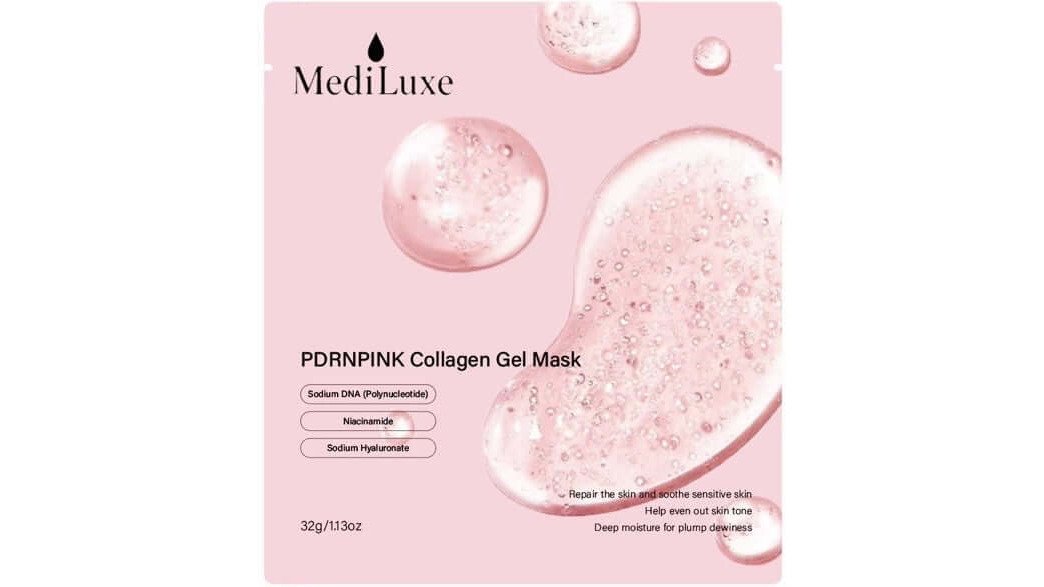
- Optional: Collagen mask, Use 2-3 times per week for extra support
The evening routine builds your skin's resilience. Retinol drives cell turnover while moisturizer protects your skin barrier. Collagen masks provide intensive hydration and collagen support when you want to amplify results.

Critical layering rules:
- Never mix retinol with vitamin C (use at different times)
- Apply retinol to completely dry skin
- Wait 20 minutes after cleansing before applying retinol
- Use the "sandwich method" if sensitive: moisturizer, retinol, moisturizer
Benefits of Oral Collagen Supplements When Using Retinol
Skin elasticity and firmness: Retinol stimulates collagen production, but oral collagen supplements provide amino acids your skin can use immediately. This combination addresses firmness from both directions: stimulating production and supplying raw materials.
Glutathione Collagen Gummies for Skin →
Faster visible results: Many people notice improvements in skin texture and hydration within 4-6 weeks when combining these approaches.
Skin barrier support: Retinol can temporarily weaken the barrier as it increases cell turnover. Collagen supplements support barrier function through hydration and structural support, reducing irritation and improving retinol tolerance.
Hydration from within: Oral collagen supplements often contain hyaluronic acid and other hydrating ingredients that counteract dryness retinol might cause.
MediLuxe Skincare's Glutathione Collagen Gummies combine collagen with glutathione and vitamin C to support skin brightening and firmness. The gummy format makes consistency easy, which matters more than any single ingredient.

Potential Side Effects and How to Avoid Irritation
Combining retinol and collagen is generally safe, but retinol carries irritation risk for beginners. Oral collagen supplements reduce this risk, and a structured protocol minimizes side effects.
Common retinol side effects
When retinol increases cell turnover, your skin sheds old cells faster, temporarily compromising barrier function.
How to avoid irritation
The irritation recovery protocol
- Gentle cleanser, Non-foaming, pH-balanced
- Hydrating toner or essence
- Barrier-repair moisturizer, With ceramides or niacinamide
- Occlusive layer, Facial oil or balm
- Oral collagen supplement, Take with dinner
- Skip retinol, Pause for 3-7 nights
Adjusting collagen intake during irritation
Signs your skin is tolerating retinol well
- No redness or irritation after 48 hours
- Skin feels hydrated and balanced
- You're not experiencing peeling or sensitivity
- Your skin looks visibly improved (smoother texture, brighter tone)
- Barrier feels strong (no tight sensation)
Signs to slow down or pause
- Persistent redness lasting more than 24 hours after application
- Increased sensitivity or burning sensation
- Excessive dryness or flaking that doesn't improve with moisturizer
- Breakouts that weren't present before (beyond normal purging)
- Barrier damage signs (stinging when applying other products, increased sensitivity to water temperature)
The role of collagen in irritation prevention
Best Practices for Beginners: A Step-by-Step Start
If you're new to both retinol and oral collagen, follow this timeline to build tolerance safely.
Week 1-2: Foundation
- Start oral collagen supplement daily (no retinol yet)
- Use a gentle cleanser and basic moisturizer
- Add sunscreen to your morning routine
- Your skin barrier strengthens as collagen accumulates
Week 3-4: Introduce retinol
- Continue daily collagen supplement
- Start retinol once per week, using the sandwich method
- Cleanse gently, apply moisturizer, apply retinol, seal with moisturizer
- Use on a night when you have no other plans (some redness is normal)
Week 5-8: Increase frequency
- Maintain daily collagen supplement
- Increase retinol to twice per week if skin is tolerating well
- Watch for signs of irritation; pause if redness becomes uncomfortable
- Continue sunscreen every morning without exception
Week 9+: Optimize
- Increase retinol to 3-4 times per week based on tolerance
- Keep collagen supplement consistent
- Consider adding vitamin C serum in the morning for enhanced results
- Introduce collagen masks 2-3 times per week if desired
Signs your skin is ready to increase frequency:
- No redness or irritation after 48 hours
- Skin feels hydrated and balanced
- You're not experiencing peeling or sensitivity
- Your skin looks visibly improved
Signs to slow down:
- Persistent redness lasting more than 24 hours
- Increased sensitivity or burning sensation
- Excessive dryness or flaking
- Breakouts that weren't present before
Frequently Asked Questions
Should I use collagen before or after retinol in my routine?
Apply retinol first to clean skin, wait 15-20 minutes for it to absorb, then layer collagen-containing products or serums on top. If using oral collagen supplements, timing doesn't matter as much since they work through your digestive system. The key is giving retinol time to penetrate before adding heavier moisturizers or masks that could create a barrier and reduce absorption.
How long does it take to see results from combining collagen with retinol?
Most people notice improvements in skin texture and hydration within 4-6 weeks of consistent use. Fine lines and skin elasticity improvements typically appear after 8-12 weeks. Results depend on your starting point, skin sensitivity, and how regularly you use both retinol and collagen supplements. Oral collagen supplements work alongside topical retinol to support collagen synthesis from within, but patience is essential for visible anti-aging benefits.
Can oral collagen supplements interfere with topical retinol absorption?
No. Oral collagen supplements work systemically through your digestive system and bloodstream, while topical retinol acts directly on the skin's surface and dermal layers. They operate through different pathways and don't interfere with each other. In fact, combining them can be beneficial: topical retinol stimulates cell turnover and collagen production, while oral collagen supplements provide building blocks to support the skin barrier and hydration from within.
What should I avoid mixing with retinol when I'm also taking collagen supplements?
Avoid combining retinol with vitamin A derivatives, benzoyl peroxide, or high-strength acids on the same night. Don't use retinol with other exfoliating ingredients like AHAs or BHAs initially, as this can cause excessive irritation. However, collagen supplements are safe to take daily alongside retinol. If you're concerned about skin sensitivity, start with retinol once or twice weekly and gradually increase frequency as your skin acclimates.